



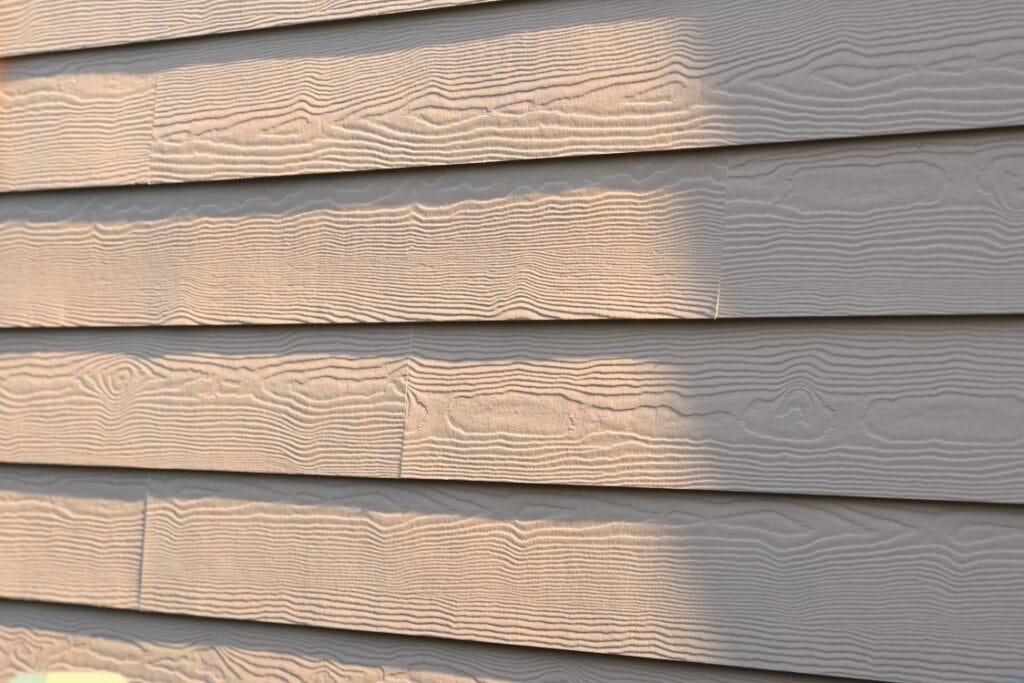
Fiber cement is a construction material widely used for siding, exterior walls, roofing products, and other exterior building applications. It is made from a combination of cement and fibers such as cellulose or glass, which gives it exceptional strength and weather resistance. However, to maintain its durability and visual appeal, fiber cement often needs to be painted. But which paint should you choose to ensure a long-lasting, attractive finish? This article covers the key criteria for selecting the right paint and the best options available for this specific material.
How to Choose the Best Paint for Fiber Cement
When selecting paint for fiber cement, several factors need to be considered to ensure both an attractive finish and a long service life. Here are the key elements to keep in mind:
Choose Weather-Resistant Paint for Exterior Fiber Cement
Fiber cement is typically exposed to outdoor conditions, so it is essential to choose an exterior paint that can withstand moisture, UV radiation, temperature changes, and harsh weather. The paint should offer strong moisture resistance and be capable of holding up in harsh outdoor conditions without deteriorating quickly. A high-quality exterior paint provides optimal protection for your fiber cement cladding.
Why Paint Durability Matters on Fiber Cement
Durability is a key factor when painting fiber cement. Since the material is built to last, the paint must offer long-term protection against degradation. Poor-quality paint can crack, peel, or fade under sun and weather exposure. Choose a paint that resists cracking, wear, and color loss, especially on surfaces such as fiber cement roofing.
How to Make Paint Adhere Properly to Fiber Cement
Fiber cement has a unique texture that can make paint adhesion more challenging. To ensure the paint holds properly, choose a product specifically designed to adhere to fiber cement, or prepare the surface carefully before applying paint. Adhesion is especially important on roofing materials and exterior fiber cement cladding.
Choosing the Right Color and Finish for Fiber Cement
Paint not only protects fiber cement but also improves its appearance. Depending on your project, you can choose specific colors or finishes to give the material a modern, traditional, or natural look. This is particularly relevant for exterior fiber cement cladding, where the visual finish is often a key consideration.
Paint Application and Maintenance for Fiber Cement
Choose a paint that is easy to apply and maintain. Some paints require multiple coats or specific application methods to perform well, while others may require fewer coats depending on the product and surface condition. It is also important to consider ease of maintenance, including resistance to dirt and the ability to clean the surface.
For a complete walkthrough of how to properly apply paint to fiber cement from surface preparation through to the final coat, the essential steps for painting exterior fiber cement will help ensure a lasting, professional result.
Best Types of Paint for Fiber Cement Surfaces
Several types of paint are suited to fiber cement, each with its own strengths in terms of durability, resistance, and finish. Here are the best options available:
1. Acrylic Paint for Fiber Cement
Acrylic paint is one of the most popular options for painting fiber cement, especially for exterior applications. It is water-based, which makes it easier to apply and generally easier to work with than many solvent-based paints. It also offers good resistance to UV rays and weather, which is essential for fiber cement exposed outdoors. Acrylic paint provides a smooth, even finish, making it a strong option for many exterior fiber cement surfaces, including siding and walls.
2. Alkyd Paint for Fiber Cement
Alkyd-based paint is also an excellent option for fiber cement. It is highly resistant to weather conditions and delivers a glossy, durable finish. However, it is more difficult to apply than acrylic paint and has a stronger odor, which can make it less suitable for interior applications.
3. High-Performance Coatings for Fiber Cement
Epoxy paint is a high-performance choice, ideal for fiber cement surfaces that require reinforced protection. Highly resistant to moisture and chemicals, it is particularly well suited to industrial environments or areas exposed to extreme conditions. However, applying epoxy paint is more technical and requires careful surface preparation, especially on fiber cement panels or roofing products.
4. Siloxane Paint for Exterior Fiber Cement
Siloxane paint is an increasingly popular option for exterior fiber cement surfaces. It offers excellent moisture resistance and allows water vapor to escape while protecting the material from water infiltration. It is particularly effective for buildings exposed to frequent rainfall and delivers a satin finish, making it ideal for exterior cladding.
Why Acrylic Paint Is Often Recommended for Fiber Cement
Acrylic paint is often the preferred choice for fiber cement for several important reasons:
Easy Application
Acrylic paint is generally ready to use and can be applied with a brush, roller, or sprayer. It dries quickly, which reduces the time needed to complete a painting project. This is a clear advantage for exterior surfaces that need to be finished efficiently.
Weather Resistance
Acrylic paint can withstand UV rays without fading, which is essential for materials permanently exposed to the sun. It also resists moisture and rain well, which is particularly important for fiber cement used outdoors.
Versatility and Aesthetic Finish
Acrylic paint is available in a wide range of colors and finishes. Whether you want a glossy, matte, or satin look, there is an acrylic paint suited to your project. Its ability to deliver a smooth, even coat makes it a strong option for many fiber cement surfaces, depending on the product and manufacturer recommendations.
Durability and Low Maintenance
Acrylic paint is very durable and requires little maintenance. It does not crack easily and retains its color for a long time, making it an ideal choice for long-term painting projects on fiber cement surfaces.
Which Paint to Use for Each Fiber Cement Surface
The choice of paint for fiber cement depends largely on the intended use. Here are some recommendations based on specific applications:
Best Paint for Exterior Fiber Cement Walls
If you are painting exterior fiber cement walls, opt for a weather-resistant paint such as acrylic or siloxane. These paints offer excellent protection against moisture, rain, and UV rays. They are especially suited to building facades exposed to challenging weather conditions, including Quebec’s variable climate.
For expert advice on exterior surface preparation or professional cladding services, our wall siding and tinsmithing team can assess your specific facade and recommend the right product and approach.
What to Know Before Painting Fiber Cement Roofing
Fiber cement roofs must be painted with a product specifically formulated to withstand extreme weather. Some high-performance coatings may be suitable for fiber cement roofing, but the product should be specifically rated for roof exposure, moisture, UV rays, and the type of fiber cement being coated.
Best Paint for Interior Fiber Cement Walls
Interior fiber cement walls can be painted with acrylic or alkyd paint. Both are easy to apply and provide a smooth, durable finish. Acrylic paint is generally preferred for interior spaces because of its low odor and fast drying time.
How to Prepare Fiber Cement Before Painting
Before applying paint to fiber cement, it is crucial to properly prepare the surface to ensure good adhesion and a quality finish. Here are the recommended preparation steps:
Step 1: Clean the Fiber Cement Surface Thoroughly
Clean the fiber cement thoroughly to remove all dirt, dust, mold, and other contaminants. Use a mild detergent and a brush to scrub the surface, then rinse with clean water and allow to dry completely.
Step 2: Repair Cracks and Surface Damage Before Painting
Inspect the surface for any cracks or damage. If repairs are needed, use a filler product suitable for fiber cement to fill the cracks before painting.
Step 3: Apply a Compatible Primer
If the fiber cement is bare, porous, or previously unpainted, apply a primer designed for fiber cement or masonry surfaces. Primer improves adhesion, helps seal the surface, and creates a more even finish.
Step 4: Apply the Paint in Thin, Even Coats
Apply the paint in several thin coats rather than one thick coat. This provides better coverage and a more uniform finish. Follow the manufacturer’s recommendations for drying time between coats.
How to Get a Long-Lasting Finish on Fiber Cement
Painting fiber cement requires careful preparation and the right choice of paint for the material’s specific requirements. Whether for exterior walls, roofing, or interior applications, it is essential to choose a weather-resistant, durable paint that delivers a satisfying aesthetic finish. Acrylic paint, in particular, is often the preferred choice for its ease of application, weather resistance, and durability. By following the preparation steps and choosing the paint that best fits your needs, you will ensure a long service life for your fiber cement surfaces while preserving their visual appeal.
If you are also evaluating your broader exterior envelope choices, the advantages of eco-friendly and sustainable cladding materials are worth reviewing alongside your paint selection.
To get personalized recommendations for your fiber cement project, contact us today.
Frequently Asked Questions About Painting Fiber Cement
What is the best paint for exterior fiber cement?
Acrylic and siloxane paints are the top choices for exterior fiber cement. Both offer strong UV and moisture resistance, adhere well to the surface, and maintain their color and finish over many years. For fiber cement roofing, use a coating specifically approved for roof applications and compatible with the roofing product. The manufacturer’s recommendations should always be checked before painting.
Can I use regular exterior paint on fiber cement?
You can use standard exterior paint on fiber cement, but products formulated specifically for fiber cement or masonry surfaces will deliver better results. These specialized paints provide superior adhesion, moisture resistance, and durability compared to general-purpose exterior paint.
How do I prepare fiber cement before painting?
Clean the surface thoroughly with a mild detergent to remove dirt, mold, and debris. Rinse well and allow to dry completely. Repair any cracks or chips with a suitable filler. If the surface is bare or previously unpainted, apply a compatible primer to improve adhesion and ensure a uniform finish.
How often does fiber cement need to be repainted?
Under normal conditions, fiber cement painted with a quality exterior paint typically requires repainting every 7 to 15 years. The frequency depends on the paint quality, the level of sun and weather exposure, and how well the surface was prepared before the original application.
What primer should I use on fiber cement before painting?
Use a primer specifically designed for fiber cement or masonry surfaces. A water-based acrylic primer is the most common choice. It improves paint adhesion, seals the porous surface, and helps achieve a more uniform, longer-lasting finish. Always follow the primer manufacturer’s recommendations for drying time before applying the topcoat.