



Protecting your home begins at the very top. The upper structure of your house serves as the primary defense against the harsh natural elements. In a region like Gatineau and the surrounding Outaouais area, this protective barrier undergoes constant testing throughout the entire year. Many homeowners wonder exactly when simple patching is no longer sufficient to keep their property safe. Ignoring the early warnings of a failing exterior structure can lead to severe structural damage inside your residence. This comprehensive guide helps you identify the precise indicators that point to the need for a complete installation. We will analyze the wear and tear caused by the local climate, the physical deterioration of your materials, and the subtle signals hidden inside your home.
Key Points About the Signs to replace your roof in the Outaouais
- The extreme temperature fluctuations in the region accelerate the breakdown of exterior materials.
- The age of your current installation remains the most reliable starting point for evaluating its overall health.
- Curled, cracked, or missing shingles demand immediate attention to prevent severe water infiltration.
- Conducting a visual inspection from the ground and checking your attic can prevent highly expensive interior repairs.
How the Gatineau and Outaouais Climate Affects Your Home
The Outaouais region features a climate of extreme contrasts. These unpredictable weather conditions demand a lot from your exterior structures. Your overhead materials expand and contract constantly with the changing seasons. This ongoing dynamic puts intense pressure on every single nail, joint, and panel of your property.
Severe Winters and Ice Accumulation
Intense cold, heavy snowstorms, and freezing rain hit the area hard every single winter. Snow piles up heavily on the slopes and places considerable weight on the wooden framing. When the heat from your living space escapes into the attic, it melts the bottom layer of this snowpack. The resulting water flows down toward the freezing cold gutters, where it turns into solid ice again. This process creates dangerous ice dams. The stagnant water then backs up underneath the shingles. If your waterproof membrane has any weak spots, the leaking begins immediately. Over several seasons, these continuous freeze and thaw cycles destroy the adhesion of your protective materials completely.
Summer Heat and UV Exposure
The summer months bring a different set of severe challenges. High seasonal temperatures and direct exposure to intense ultraviolet rays dry out the components of your upper structure. Asphalt based materials lose their essential protective oils under the blazing sun. They become highly rigid and extremely brittle. Strong winds during sudden summer thunderstorms can then easily lift or tear off these weakened elements. While less frequent, summer hail can also cause microscopic cracks that remain completely invisible from ground level.
The Age of Your Current Materials
Time represents a critical factor in the lifespan of your residential protection. Every specific material comes with an average life expectancy. Knowing the exact date of the last installation gives you a very clear picture of your current situation.
Traditional asphalt shingles generally last between fifteen and twenty years. High quality architectural versions can sometimes reach thirty years under ideal conditions. Metal structures offer superior longevity, frequently exceeding forty years when properly maintained. If your current installation is approaching the end of its estimated lifespan, you must increase your vigilance. It becomes critical to know how to determine if your roof needs to be replaced before minor issues turn into major disasters. An aging surface loses its ability to repel water effectively, even if it appears relatively intact from a distance.
Visible Warning Signs on the Exterior
A regular visual inspection forms your best defense strategy. You can spot numerous developing problems simply by walking around your property and observing the upper surface carefully with a good pair of binoculars.
Compromised Shingles
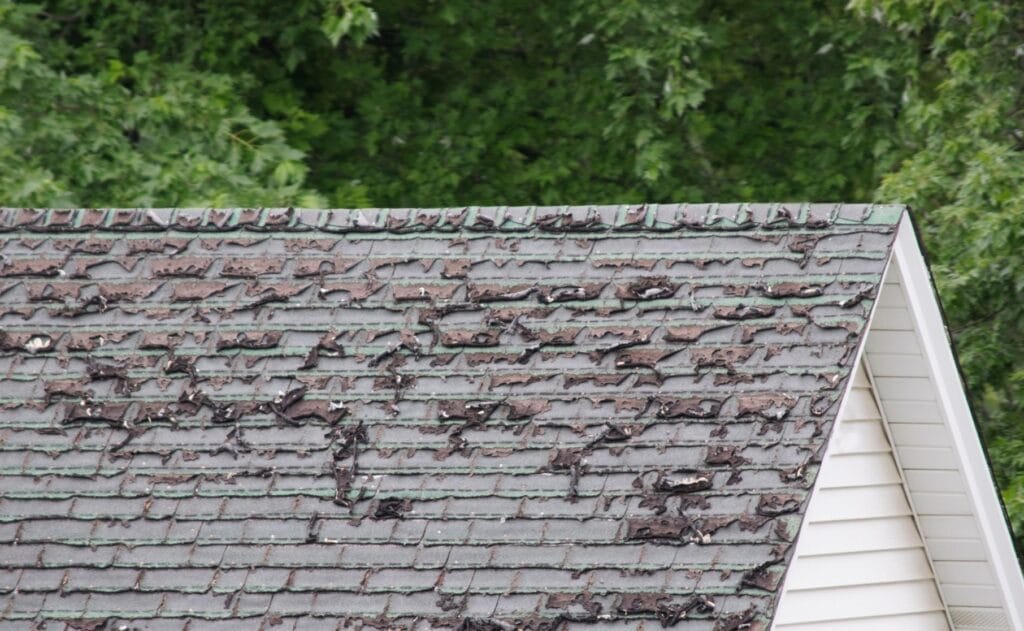
Examine the texture and the physical shape of your shingles closely. Edges that curl upward or centers that bulge outward indicate that moisture has penetrated the protective outer layer. These physical deformations prevent rainwater from gliding smoothly toward the drainage system. Vertical cracks serve as another highly concerning indicator. They often result from severe thermal shock or excessive drying caused by the bright Outaouais sun. If you notice entire sections where the outer covering is completely missing, the underlying membrane is exposed directly to the harsh weather. This direct exposure drastically accelerates the rotting process of the wooden support beams.
Granule Loss in the Gutters
Manufacturers coat asphalt shingles with tiny protective granules. These small particles block harmful ultraviolet rays and add essential weight to keep the strips firmly in place. When you clean out your gutters, pay close attention to the dark residue accumulating at the bottom of the channels. Finding a large quantity of black granules indicates an advanced state of wear. Without this granular protection, the asphalt literally cooks under the sun and deteriorates at an alarming speed. If you are unsure what materials might serve you better in the future, researching what the best type of roof is can help you make an informed decision for your upcoming project.
Specific Problems with Metal Surfaces
Steel or aluminum installations require a slightly different observation approach. You must look closely for traces of rust, particularly around the exposed fasteners and the overlapping joints. Corrosion gradually weakens the strong metal and eventually creates small perforations. The large panels can also loosen over time due to constant thermal expansion. Loose attachments allow strong winds to get underneath the panels, which creates a serious risk of the entire structure lifting off during a severe storm.
Internal Indicators of Water Damage
Sometimes, the most obvious warnings appear right inside your living space. Water acts in an incredibly insidious manner and always finds the path of least resistance through your building materials.
Attic Moisture and Ceiling Stains
The attic space serves as the perfect location to start your interior verification process. Turn off your flashlight and look carefully for any tiny beams of sunlight piercing through the wooden planks above. Any visible light means that water can enter the space just as easily. Inspect the wooden rafters and the plywood decking for dark water rings or continuously damp areas. Down inside your main living spaces, yellowish or light brown stains on the ceilings or the upper corners of the walls confirm an active water leak. You should never wait for the interior paint to bubble or the drywall to collapse before taking decisive action.
Rising Energy Bills
Your overhead structure plays a massive role in the overall insulation of your house. A compromised upper envelope lets your expensive heating escape during the winter and allows your air conditioning to leak out during the summer. If you notice a sudden and unexplained increase in your monthly energy bills, the tight seal of your house might be failing. Trapped moisture inside the attic space also compresses your insulation, significantly reducing its thermal efficiency over time.
Planning Your Investment Wisely
Replacing an entire exterior structure represents a major financial investment for any homeowner. Careful planning allows you to control the associated costs and choose the best materials suited to your specific needs. You must take the necessary time to compare the different options currently available on the market.
You should also consider the seasonality of the construction work. Roofing contractors get incredibly busy during the late summer and early autumn months, just before the heavy snow arrives. Anticipating your needs early ensures that you secure the services of the best professionals in the region. Rushing into a massive project during an active leak often leads to stressful decisions and higher emergency costs.
Trusting Local Experts for the Job
The safety and the overall quality of the final installation require the direct intervention of highly qualified professionals. Climbing a tall ladder carries serious physical risks, especially if the slope is steep or if the old materials are slippery. Local experts understand the current building codes enforced throughout the province perfectly. They know exactly which specific products will best survive the brutal Gatineau winters.
A certified contractor will proceed with the complete removal of the old materials. They will thoroughly inspect the wooden decking to replace any severely rotted sections. They will then install a high quality waterproof membrane, which is absolutely essential in our demanding northern climate, before laying down the final covering. Installing proper ventilation in the attic space will also form an integral part of the project to prevent the future formation of destructive ice dams. To ensure the long term viability of your home, hiring specialists for comprehensive roof repairs & maintenance guarantees flawless execution.
Conclusion
Maintaining the structural integrity of your home inevitably requires an exterior envelope in excellent condition. You must never take the physical signs of severe deterioration lightly. Curled shingles, thick layers of granules inside your gutters, or dark moisture rings on your living room ceiling act as very clear calls to action. The demanding Outaouais climate shows absolutely no mercy to weakened residential structures. By acting proactively, you protect the high financial value of your real estate investment and ensure the daily safety of your family. Do not hesitate to request a complete professional evaluation if you have the slightest doubt about the actual condition of your property. The dedicated team at Morin Toiture possesses the deep technical expertise required to guide you through this process. We strongly encourage you to contact us today to schedule a rigorous inspection of your house.
Frequently Asked Questions about Signs it is time to replace your roof in the Outaouais
What is the average lifespan of a residential installation in the Outaouais region?
The total lifespan depends heavily on the exact materials you choose. Standard quality asphalt shingles usually last between 15 and 20 years. Premium grade architectural materials or proper metal installations can easily last from 30 to 50 years, provided they receive regular cleaning and adequate maintenance.
Can a contractor install a new layer of materials directly over the old one?
While local building codes sometimes permit the addition of a second layer of shingles, experts strongly advise against this specific practice. It adds massive excess weight to your wooden framing and completely prevents the necessary inspection of the wooden decking underneath. Complete removal remains the only safe method to guarantee perfect waterproofing.
How does freezing rain affect the decision to undertake a full replacement?
Frequent ice accumulations force standing water to back up underneath the overlapping materials. If your wooden structure has suffered damage from repeated ice dams over several harsh winters, the protective underlayment is likely destroyed. This reality makes a complete replacement absolutely unavoidable to secure the house properly.
Do I need to empty my attic space before the construction work begins?
Contractors highly recommend that you cover or completely relocate any valuable items stored in your attic space. The intense vibrations caused by heavy hammers and power tools will inevitably cause thick dust and small debris to fall through the tiny gaps in the wooden framework.