



Replacing a roof is one of the most significant investments a homeowner makes, and timing that project correctly can be the difference between a clean, durable installation and one that develops problems within the first few seasons. In Quebec, where the climate swings from sweltering summers to brutal winters with extended freeze-thaw cycles in between, the calendar matters more than most homeowners realize. Getting the timing wrong does not just make the job harder, it can compromise the integrity of the materials themselves.
Most roofing issues do not announce themselves dramatically. They build quietly over years, showing subtle signs that are easy to dismiss until the damage has spread well beyond what a simple repair can address. Recognizing those early indicators, understanding how Quebec’s seasonal conditions affect roofing work, and knowing how to plan around contractor availability are the three things that separate a smooth project from a stressful and costly one.
This guide walks through everything you need to know before scheduling a roof replacement: the warning signs that tell you it is time, how each season affects installation quality, what the planning process looks like, and what to expect when working with a professional roofing contractor.
Key Points: Roof Replacement Timing in Quebec
- Spring and fall are the optimal seasons for roof replacement in Quebec due to moderate temperatures and stable weather conditions
- Moisture, extreme heat, and frost each affect roofing materials differently and can compromise installation quality
- Missing, curled, or granule-shedding shingles are among the clearest early signs that a roof is nearing the end of its service life
- Getting multiple quotes before committing helps you compare materials, warranties, and contractor availability in a single planning phase
- A professional roofer brings certifications, climate-specific expertise, and warranty coverage that protect your investment long after installation day
Signs Your Roof Has Reached the End of Its Life
The condition of your roof is not always obvious from the ground, but there are patterns of deterioration that tend to appear well before a roof fails entirely. The key is knowing what to look for and understanding that different roofing materials age in different ways.
Asphalt shingles, which are by far the most common roofing material on Quebec homes, show their age through cracking, curling, and granule loss. When you notice a build-up of small granules in your gutters after rain, that is the protective coating washing off your shingles. As granules shed, the underlying mat becomes exposed to UV radiation and moisture, accelerating deterioration. Shingles that have started to curl at the edges or cup in the center are no longer lying flat against the roof deck, which creates gaps where water can work its way beneath them. Algae staining and dark streaking often accompany these physical changes, pointing to chronic moisture retention. For a more detailed breakdown of warning signs across different roof types, it helps to know what each material looks like when it has reached the end of its useful life.
Metal roofs are generally long-lived, but they are not immune to wear. Rust and corrosion tend to appear first at seams, fasteners, and around penetrations like vents and chimneys. Because metal expands and contracts with temperature changes, the joints and fastening points are under constant mechanical stress over the years. Loose fasteners or failing sealing gaskets at screw heads allow water entry that is often invisible until it shows up as a ceiling stain inside the house.
Tile roofs, whether clay, concrete, or slate, are among the most durable options available, but cracked or broken tiles are a common issue after impact events like hailstorms or falling branches. The underlying waterproofing membrane beneath the tiles does its own aging separately, and it is possible for a roof to appear intact from the street while the membrane below has failed. Moss and lichen accumulation on tile surfaces retains moisture against the material, which over time causes micro-cracking and undermines the structural integrity of individual pieces.
Flat roofs require a different kind of attention because water does not drain off them the same way it does from a pitched surface. Standing water is the primary enemy. A properly designed flat roof should have a slight slope directing water toward drains or scuppers, but over time the membrane can develop low spots where water pools. Blistering and cracking in the membrane, visible from the surface, indicate that the waterproofing layer is breaking down. Any moisture that gets beneath the membrane starts degrading the roof deck material underneath, which can progress to structural damage if left unaddressed.
Wood shingles and shakes have a particular aesthetic appeal, but they demand consistent maintenance. Split or severely curled shakes, widespread discoloration, and the presence of mold or fungal growth on the surface are all signs that the wood has exceeded its protective capacity. Once mold establishes itself in wood roofing, the organic degradation tends to spread, and patching individual shakes becomes a losing battle.
Beyond surface condition, there are structural signals that override all other considerations. A roofline that appears to sag or dip in the middle indicates that the decking or framing beneath has absorbed moisture and begun to weaken. This is not a cosmetic issue and it does not improve with time. Water stains on attic insulation, daylight visible through the roof boards when you are up in the attic, or a soft, spongy feeling underfoot when walking on the roof are all indicators that the situation has moved past the point where repair is a practical answer.
How Quebec’s Climate Shapes the Roofing Calendar
Quebec’s weather is genuinely demanding on building envelopes, and roofing materials respond to temperature and moisture in ways that directly affect how well an installation holds up over time. Understanding these dynamics explains why experienced contractors are firm about seasonal scheduling.
Rain is the most immediate obstacle. Asphalt shingles rely on heat and pressure to seal the adhesive strip along their lower edge, and that process simply does not work properly when the surface is wet. Installing shingles on a damp roof deck also traps moisture beneath the material, which can cause the deck to swell and eventually rot. Beyond asphalt, most roofing adhesives and sealants have specific humidity thresholds that, when exceeded, prevent them from curing properly. A roof that is installed in wet conditions may look fine initially but will develop problems at the seams and flashings over the following seasons.
Extreme summer heat brings a different set of challenges. When ambient temperatures exceed the upper end of a material’s installation range, asphalt shingles can become too soft to handle without distorting. Workers walking across a roof in intense heat can leave impressions in soft shingles that become permanent once the material cools. Very high temperatures also accelerate solvent evaporation in certain sealants, affecting their final bond strength.
Frost and the freeze-thaw cycles that Quebec experiences through the transitional months are probably the harshest variable of all. Cold temperatures reduce the flexibility of asphalt and other membrane-based products, making them brittle and prone to cracking during handling and installation. The adhesive sealing strips on shingles will not activate properly below a certain temperature threshold, typically around 4 to 7 degrees Celsius, meaning a roof installed in cold conditions may not self-seal correctly until the following spring, leaving it vulnerable through the winter. Once ice and water are cycling through the structure, any small imperfection in the installation becomes a pathway for accelerated damage.
Best Season for Roof Replacement in Quebec
Given everything the Quebec climate throws at roofing materials, spring and fall stand out as the most consistently reliable windows for replacement work. Both seasons offer moderate temperatures, lower humidity than summer, and fewer extreme weather events than winter.
Spring, typically from late April through early June in most parts of Quebec, gives contractors dry conditions after snowmelt, temperatures in the comfortable mid-range for material installation, and long daylight hours that allow for full-day working schedules. One consideration in spring is that contractor demand tends to build quickly as homeowners who delayed through winter all begin scheduling at once, so lead times can stretch as the season progresses.
Fall, from late August through October, mirrors spring in terms of temperature profile. Days are cooler, humidity drops after the humid summer months, and the most severe weather is still weeks away. Fall has the added advantage that any issues with summer-installed or storm-damaged roofing become apparent as temperatures drop, prompting timely replacements before winter arrives.
Summer can work for roof replacement, particularly in June and early September when temperatures are not yet at their peak, but contractors need to be mindful of heat-related material handling issues. Winter replacement is generally reserved for emergency situations where a failing roof cannot wait. When it is necessary, experienced roofers use specialized cold-weather materials and installation techniques, but costs tend to be higher and timelines longer.
How to Plan a Roof Replacement Project
Planning a roof replacement well in advance is one of the most effective ways to control both quality and cost. A homeowner who starts the process six to eight weeks before they want work to begin has time to compare multiple proposals, check contractor references, and make material decisions without feeling rushed.
The first step is gathering quotes from at least three qualified contractors. A detailed quote should include a breakdown of materials by type and brand, a clear explanation of what is being removed and disposed of, the scope of any deck repairs that may be needed, the warranties offered on both materials and labor, and a realistic project timeline. Comparing quotes at this level reveals which contractors are pricing accurately and which may be planning to cut corners on less visible elements like underlayment, flashings, or ventilation components.
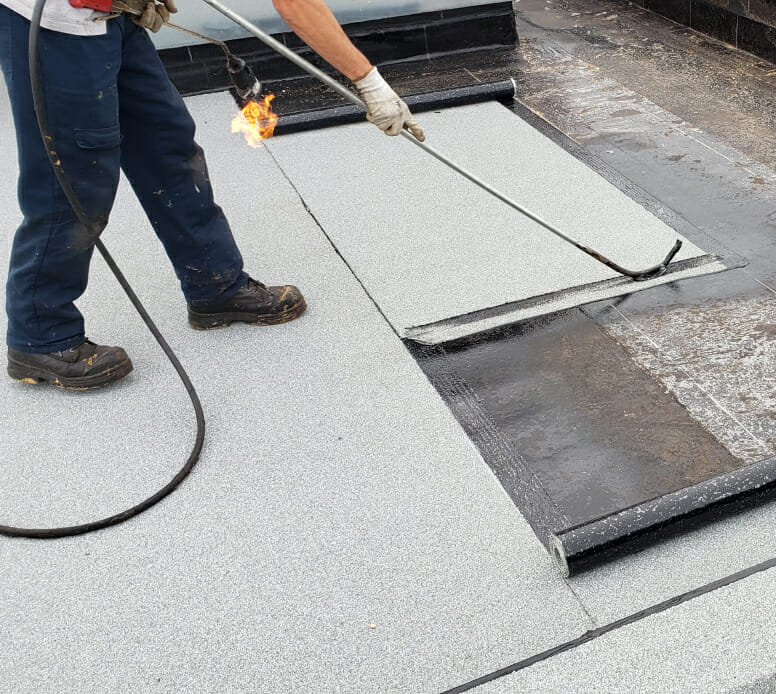
Material selection is a decision that deserves more attention than it often gets. The choice between standard asphalt shingles, architectural shingles, metal roofing, or specialty systems like torch-applied membranes for flat sections involves trade-offs in upfront cost, longevity, maintenance requirements, and aesthetic fit with the home. Exploring modern material choices can also open up options that improve the long-term environmental performance of the building envelope, which matters for homeowners thinking about energy efficiency and long-term operating costs.
Warranty terms vary significantly between products and contractors, and they are worth reading carefully. Material warranties cover manufacturing defects and often have prorated coverage that diminishes over time. Labor warranties, which cover the installation itself, are only as reliable as the contractor providing them. Understanding what each warranty actually covers, and under what conditions it can be voided, prevents surprises years down the line.
Contractor availability is a real constraint, particularly in spring and early fall when demand peaks. If a specific window in the calendar is important, booking early is the practical answer. Most reputable contractors will provide a deposit structure and a signed contract that locks in the scheduling commitment on both sides.
What to Expect During the Project
A typical residential re-roofing project runs between one and three days for a standard-sized home, depending on roof complexity, the number of layers being removed, and whether deck repairs are needed. Homeowners should expect noise, some disruption to the yard and driveway area, and debris management throughout the process. A professional crew will protect landscaping, catch falling materials with tarps or catch boards, and handle disposal of old materials as part of the job.
The project scope should include not just shingle replacement but a thorough inspection of the underlayment, flashings around chimneys, skylights, and vents, ridge cap installation, and verification that attic ventilation meets code requirements. Proper ventilation is often overlooked but has a direct impact on how long a new roof lasts. The heat and moisture trapped in an attic will degrade roofing materials from the inside out.
Working with a Qualified Roofing Contractor
Roofing is regulated in Quebec, and working with a licensed, certified contractor is not just good advice, it is the practical foundation of a project that will hold up over time. Certification requirements exist because roofing involves structural, waterproofing, and safety considerations that require specific training to execute properly.
When evaluating a contractor, look for RBQ licensing (Régie du bâtiment du Québec), which is the baseline legal requirement for construction work in the province. Beyond the license number, references from past clients, a physical business address, and a clear written contract are all markers of a contractor who operates professionally.
The warranty structure a contractor offers tells you a great deal about how confident they are in their own work. A contractor who backs labor with a multi-year warranty has an incentive to install correctly the first time. Material warranties from major manufacturers are typically passed through to the homeowner and can range from 25-year limited coverage to lifetime warranties on premium shingle lines.
Cost varies meaningfully based on roof size, pitch, material selection, and the complexity of details like valleys, dormers, and multiple penetrations. A straightforward gabled roof with standard architectural shingles on a medium-sized home typically falls in a different range than a complex multi-pitch roof with multiple chimneys requiring custom flashing work. Getting itemized quotes, rather than lump-sum figures, gives you the information you need to understand what you are paying for and to make meaningful comparisons between contractors.
Conclusion
Replacing a roof at the right time and with the right preparation protects your home through Quebec’s full range of seasonal extremes while giving you the best return on a significant investment. The signals that tell you a replacement is coming are readable well in advance if you know what to look for, and both spring and fall offer the conditions that allow materials to be installed correctly and durably. Planning ahead, comparing contractors carefully, and understanding what your warranties actually cover are the steps that separate a successful project from one that becomes a recurring headache.
When you are ready to move forward, the team at Morin Roofing is available to assess your roof, answer your questions, and provide a detailed estimate tailored to your home. Contact us to schedule an inspection and take the first step toward a roof that is built to last.
Frequently Asked Questions About Roof Replacement in Quebec
What is the best season to replace a roof in Quebec?
Spring and fall are consistently the best times. Temperatures in the moderate range allow asphalt shingles to seal properly, adhesives and sealants to cure as designed, and installation crews to work efficiently without the complications of heat or frost. Late April through early June and late August through October are the windows most experienced contractors prefer.
How do I know if my roof needs to be replaced rather than repaired?
Repair makes sense when damage is limited to a specific area and the surrounding roof is in solid condition. Replacement becomes the more practical and cost-effective choice when shingles are deteriorating across a large portion of the surface, when the same areas are leaking repeatedly despite prior repairs, when the roof is approaching or has exceeded its expected service life, or when there is evidence of structural damage like sagging or softness in the deck. A professional inspection can clarify which option applies to your situation.
Does the type of roofing material affect when the replacement should be done?
Yes, in a practical sense. Most materials have temperature ranges within which they can be properly installed, and cold or wet conditions affect some materials more severely than others. Asphalt shingles are particularly temperature-sensitive because their adhesive sealing strips require warmth to activate. Metal roofing and torch-applied membranes have their own installation requirements. A qualified contractor will advise on timing based on the specific product being used.
How long does a roof replacement take?
For a typical residential home, a re-roofing project generally takes one to three days from tear-off to completion. Larger or more complex roofs, homes requiring significant deck repairs, or projects involving specialty materials may take longer. Weather delays can also extend the timeline, which is another reason to schedule during seasons when stable conditions are more reliable.
How far in advance should I book a roofing contractor in Quebec?
For spring work, booking in February or March gives you a better selection of contractors and more flexibility on scheduling. For fall, late July or early August is a reasonable target. During peak demand periods, reputable contractors can be booked out four to six weeks or more. Waiting until the problem is urgent limits your options and can push the project into less favorable weather conditions.