



Metal roofing has become one of the most sought-after options for property owners across Quebec, and the reasons are deeply practical. In a province defined by heavy snowfall, intense freeze-thaw cycles, and wide temperature swings, homeowners and commercial building owners alike need a roofing system that can withstand decades of punishment without constant attention. Metal delivers on that promise in a way that few other materials can match. From suburban Gatineau to rural Outaouais, the appeal of a roof that sheds snow cleanly, resists ice dams, and requires almost no maintenance is easy to understand.
That said, metal roofing is not a simple upgrade that any contractor can handle. The installation process involves specific tools, precise techniques, and a working knowledge of how metal behaves under thermal stress. Done right, a metal roof can outlast the mortgage on the property. Done carelessly, even the best materials can fail prematurely, and manufacturer warranties can be voided by improper installation. Before committing to this investment, it pays to understand what the process actually involves, what can go wrong, and what separates a quality installation from a problematic one.
This guide covers the full picture: the types of metal roofing systems available in the Quebec market, a detailed walkthrough of the installation process, the technical factors that are most often misunderstood, and what ongoing maintenance actually looks like for a properly installed metal roof. Whether you are planning a new installation on a residential property or considering metal for a commercial building, the information here will help you ask the right questions and recognize the work of a qualified installer.
Key Points on Metal Roofing Installation in Quebec
- Metal roofing suits the Quebec climate exceptionally well, shedding snow efficiently, handling freeze-thaw cycles, and resisting ice dam formation when properly installed.
- Several types of metal roofing systems exist, ranging from concealed-fastener standing seam panels to exposed-fastener ribbed profiles, each with distinct installation requirements.
- Thermal expansion is a physical reality that every metal roof installation must account for through correct fastening techniques and appropriate panel profiles.
- Proper attic ventilation is just as critical under a metal roof as under asphalt shingles, and inadequate ventilation is one of the leading causes of premature roofing failures.
- Metal roofing costs more upfront than asphalt shingles but delivers a much longer lifespan, typically 40 to 70 years, resulting in a lower total cost of ownership over the life of the building.
Types of Metal Roofing Systems
Understanding the different types of metal roofing available helps you make an informed decision about which system fits your building, your budget, and your long-term goals.
Standing Seam Panels
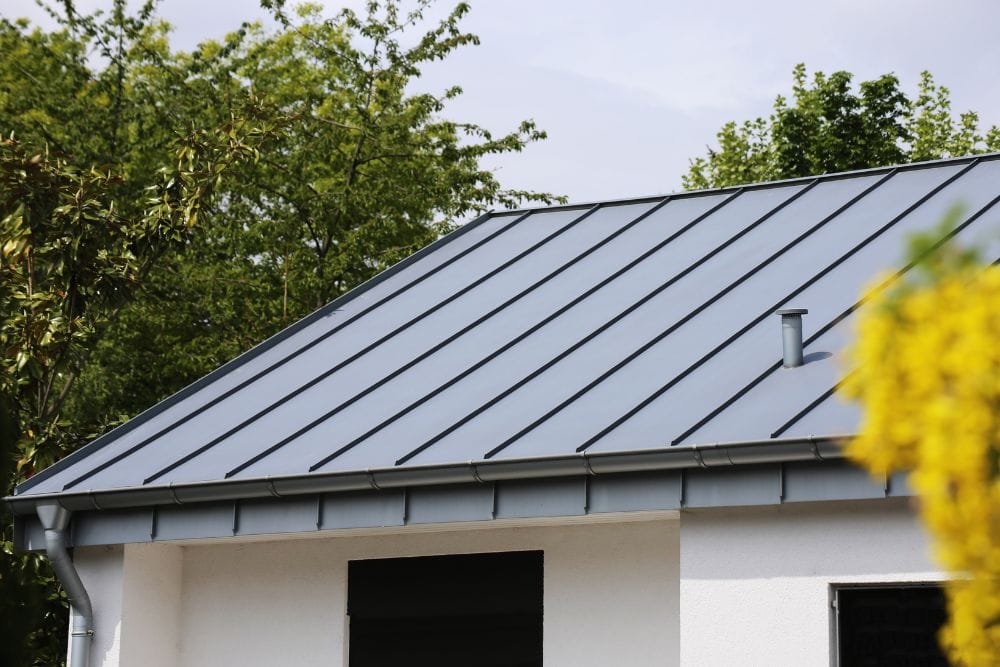
Standing seam is widely regarded as the premium standard in metal roofing. Panels are attached to the roof deck using concealed clips or fasteners hidden beneath raised seams, so no exposed screws or nail heads appear on the finished surface. This design virtually eliminates the risk of water infiltration at fastener points, gives the roof a clean, architectural appearance, and allows panels to move freely with thermal expansion. Standing seam systems cost more than exposed-fastener alternatives, but they offer exceptional durability and are the preferred choice for complex rooflines and high-performance applications on both residential and commercial buildings.
Ribbed and Corrugated Panels
Ribbed or corrugated metal panels use exposed fasteners, meaning the screws that hold the panels to the roof structure pass through the metal surface itself. Neoprene washers under each screw head create a watertight seal at the penetration point. This system installs faster and costs less than standing seam, making it a popular choice for agricultural buildings, light commercial structures, and budget-conscious residential projects. The tradeoff is that the fastener points must be inspected periodically to confirm the washers remain intact and sealed over time.
Copper Roofing
Copper is the most distinctive and expensive metal roofing option. Its defining characteristic is the patina it develops over time: starting as a warm, bright copper tone, the surface gradually transitions through shades of brown to the iconic blue-green verdigris that marks historic buildings around the world. Beyond its visual appeal, copper resists corrosion very well, is exceptionally durable, and light enough to impose minimal structural load. Its cost places it firmly in the premium category, but for heritage restorations, high-end residential projects, or accent applications like dormers and bay windows, it has no equal.
Aluminum Roofing
Aluminum offers a strong combination of light weight and corrosion resistance. Unlike steel, aluminum does not rust, which makes it an excellent choice in environments where moisture exposure is a concern. It holds factory-applied paint finishes well and is significantly lighter than galvanized steel, reducing the structural load on the building. Aluminum is somewhat softer than steel and can show dents from hail or foot traffic more readily, but for most residential applications in Quebec, its durability is more than adequate.
Galvanized Steel
Galvanized steel is the most widely used metal roofing material in Quebec and across North America. A zinc coating applied during manufacturing protects the steel core from corrosion, and most panels also receive a baked-on paint finish for additional protection and aesthetic variety. Galvanized steel is robust, widely available in a broad range of profiles and colors, and represents the best value for most residential and commercial roofing projects. Its strength makes it well-suited to the snow loads characteristic of Gatineau winters. For a broader comparison of roofing materials available in Quebec, the article on choosing the best type of roofing for your property provides useful context.
The Metal Roofing Installation Process
A quality metal roofing installation follows a clear sequence. Each step builds on the last, and skipping or rushing any stage creates vulnerabilities that may not become apparent until months or years later.
Removing the Old Roofing and Inspecting the Deck
Every serious metal roofing installation begins with stripping the existing roofing down to the bare deck. Installing metal panels over old shingles is sometimes done to save time and money, but the practice is generally discouraged because it prevents proper inspection of the deck, can create an uneven substrate that affects panel seating, and traps moisture between layers. Once the deck is exposed, a thorough inspection identifies any sections of soft, rotted, or structurally compromised wood. All damaged areas must be repaired or replaced before installation proceeds. A solid, flat deck is the foundation that every other element of the roof depends on.
Installing the Underlayment
With the deck confirmed to be in sound condition, an underlayment is installed across the entire surface. Under a metal roof, this layer performs several functions. It provides temporary weather protection during installation, adds a secondary barrier against water infiltration, and helps reduce condensation on the underside of metal panels. For metal roofing applications, a synthetic non-self-adhering underlayment is often specified because it allows a slight air gap between itself and the metal panels, which reduces the risk of trapped moisture. In vulnerable areas like eaves, valleys, and around penetrations, a self-adhering ice-and-water membrane provides reinforced protection against ice damming.
Fastening the Metal Panels
Panel installation begins at the lower edge of the roof and works upward toward the ridge, following the natural direction of water flow. Each panel or row overlaps the one below it according to the manufacturer’s specified overlap dimension, which determines how effectively the roof manages rain and snowmelt without allowing water to wick between panels. For standing seam systems, concealed clips are fastened to the deck, and panels lock into place over them. For exposed-fastener systems, screws are driven at specified intervals and locations, with the screw penetrating both the panel and the deck in a controlled, intentional manner.
Sealing Around Penetrations
Chimneys, plumbing vents, exhaust fans, and skylights are the points where the roof surface is interrupted, and they require the most careful attention during installation. Custom-fabricated metal flashings are fitted around each penetration and integrated into the panel runs above and below them. Counter-flashings, where applicable, allow for independent movement between the roof and vertical surfaces like chimneys. A high-quality, flexible sealant is applied at all critical joints. Poorly executed flashings are the single most common source of leaks on metal roofs, and shortcuts taken at this stage often lead to water infiltration that causes hidden damage before it becomes visible inside the building.
Installing the Ridge Cap and Trim
The final stage covers the ridge and all exposed edges with purpose-built metal trim components. The ridge cap seals the peak of the roof, closes the tops of the panels, and, in many systems, incorporates a ventilation gap that allows warm, humid air to escape from the attic space. Edge trim, rake trim, and eave trim protect the open ends of panels from wind-driven rain, insects, and debris. These finishing components complete the weatherproof envelope of the roof and are an important visual element of the finished product.
Critical Technical Considerations
Getting a metal roof to perform for its full intended lifespan requires understanding three technical factors that are specific to metal as a material.
Thermal Expansion and Contraction
Metal expands when it gets warm and contracts when it gets cold. In Quebec, where outdoor temperatures can swing more than 60 degrees Celsius between the depths of winter and the peak of summer, this movement is substantial. A six-metre steel panel can shift several millimetres in length across the full temperature range. If fasteners hold the panel rigidly in place, that movement builds mechanical stress into the roof system over time, eventually causing warping, fastener failure, or seam separation.
Standing seam systems handle this with floating clips that allow panels to slide slightly as they expand and contract. On exposed-fastener systems, screws are typically placed in slotted holes that provide a controlled range of movement. Over-tightening screws on these systems, which eliminates that tolerance, is one of the most damaging installation mistakes a roofer can make. Properly managing thermal expansion is not optional: it is a fundamental design requirement of every metal roofing system.
Attic Ventilation
Adequate attic ventilation is important for any type of roof, but it takes on extra significance under a metal surface. Because metal is completely impermeable, any moisture that enters the attic space has limited pathways for escape. Without a proper ventilation system that draws fresh air in at the soffits and exhausts warm, humid air at the ridge, condensation can accumulate on roof structure components, wetting insulation, degrading the wood deck, and creating conditions where mold can establish itself.
Before completing any metal roof installation, an experienced contractor will assess whether the existing ventilation balance between intake and exhaust is adequate, and will add or modify ventilation components as needed. This step is invisible once the work is done, but its impact on the long-term performance of the roof is enormous.
Minimum Pitch Requirements
Most metal roofing systems are designed for roofs with a minimum pitch of 3:12, meaning three inches of rise for every twelve inches of horizontal run. On shallower pitches, water drains too slowly and can work its way under panel overlaps through capillary action, especially when snow is melting and water is backing up across the surface. Some standing seam systems can be adapted for lower-slope applications through sealed or soldered seams and additional underlayment layers, but these cases require specialized knowledge and are not suitable for standard installation crews.
Common Installation Mistakes to Avoid
Even the best materials perform poorly when the installation is done incorrectly. Knowing what can go wrong helps you evaluate the quality of a contractor’s work.
Under-ventilating the attic is by far the most common and consequential mistake. Because the consequences develop slowly and invisibly, this problem is easy to overlook until it has already caused significant structural damage. A contractor who assesses and addresses attic ventilation as part of the roofing project is demonstrating exactly the level of thoroughness the work requires.
Using incompatible fasteners is another frequent source of premature failure. Screws, washers, and flashings must be made of materials that are electrically compatible with the roofing metal. When dissimilar metals are in contact in the presence of moisture, galvanic corrosion accelerates the deterioration of both materials. Every fastener and flashing component must be specified for the particular metal being installed.
Over-tightening screws on exposed-fastener systems compresses the neoprene washers past their design limits, restricts thermal movement, and can distort the panel surface. Screws should be snug enough to compress the washer into a slight dome shape, not driven down until the metal around them dimples.
Poorly fitted flashings at penetrations remain the most direct path to water infiltration on metal roofs. Rushing the chimney or vent flashing details to save time on a job is a shortcut that frequently results in callbacks and warranty disputes. For context on how rust and corrosion damage can develop from installation or maintenance shortcomings, the guide to repairing rust-damaged metal roofing describes the progression and treatment options.
Why Metal Roofing Excels in the Quebec Climate
The Quebec climate presents conditions that play directly to metal roofing’s strengths.
Snow management is the most immediate advantage. A smooth metal surface encourages snow to slide off the roof rather than accumulating. This reduces the structural load on the building, lowers the risk of ice dam formation at the eaves, and means less manual snow removal for property owners. In Gatineau, where a single winter storm can deposit enough snow to stress a conventional roof structure, this characteristic is not merely convenient: it is a meaningful contribution to building safety and longevity.
The freeze-thaw cycle that characterizes Quebec winters is destructive to porous materials. Water that seeps into the microscopic voids of asphalt shingles freezes, expands, and forces the material apart over repeated cycles, accelerating deterioration year after year. Metal is non-porous. It does not absorb water, so the freeze-thaw mechanism that damages other materials simply has no purchase on it. This is why a well-installed metal roof in Gatineau can look essentially the same after thirty years as it did after installation.
Fire resistance is a less-discussed but practically valuable property of metal roofing. Most metal systems achieve a Class A fire rating, the highest classification available, which can translate into lower insurance premiums for residential and commercial properties in some cases.
Maintenance After Installation
One of the most appealing aspects of metal roofing for property owners is how little ongoing attention it requires. A properly installed metal roof does not need the periodic interventions that asphalt shingles demand, but a small amount of annual attention extends its life and catches minor issues before they develop into significant ones.
An annual visual inspection in the spring, after the last of the winter weather has passed, covers the essentials. Check that debris has not accumulated in roof valleys or against chimney bases, since organic material that remains wet for extended periods can eventually cause surface corrosion even on protected metal. After a severe windstorm or exceptional ice event, a brief check of exposed fastener tightness on ribbed-panel systems and a visual scan of flashing condition takes only a few minutes and provides useful peace of mind.
Sealant applied around penetrations has a finite lifespan, even when it is a commercial-grade flexible product. Plan to inspect the sealant condition at chimneys, vents, and skylights every five to ten years, and replace it proactively when it shows signs of cracking, shrinking, or losing adhesion. This low-cost maintenance step protects against the slow water infiltration that causes the most expensive structural damage. Routine roof repair and maintenance services from a qualified contractor make these periodic checks easy to schedule and track.
Cost Considerations for Quebec Property Owners
Metal roofing costs more to install than asphalt shingles, and that reality should be acknowledged directly. The gap varies depending on the system chosen, the complexity of the roof, and current material costs, but the premium is real. Where the calculation changes is in the time horizon.
An asphalt shingle roof in Quebec typically needs to be replaced every 15 to 30 years, depending on quality and exposure. A metal roof installed to manufacturer specifications lasts 40 to 70 years. Over the course of a building’s life, a property owner who chooses metal may be making their last roofing investment. The cost of two or three asphalt shingle replacements, each with its associated labor and disposal fees, often exceeds the premium paid for a metal installation the first time around. Add to that the lower maintenance costs and the potential insurance savings, and the total cost of ownership argument for metal becomes straightforward.
Among the metal options, exposed-fastener ribbed panels represent the most economical entry point. Standing seam systems command a higher price due to the complexity of the installation and the cost of the panel profiles. Copper sits at the top of the market and is chosen primarily when aesthetics and absolute longevity take priority over initial cost.
When to Hire a Metal Roofing Specialist
Metal roofing installation is not a job for a general contractor without specific experience in this discipline. The tools required, including metal brakes, seamers, and specialized cutting equipment, are not standard roofing tools. The detailing required at valleys, penetrations, and transitions demands hands-on experience that only comes from installing these systems repeatedly. Perhaps most importantly, manufacturers of metal roofing products typically require that installation be carried out by trained, certified, or approved contractors for their material warranties to remain valid.
Before hiring, verify that the contractor you are considering has documented experience with the specific type of metal system you are planning to install, references from comparable projects in the region, and familiarity with the warranty requirements of the materials they propose to use. A contractor who can speak knowledgeably about thermal movement, ventilation balance, and flashing details is demonstrating exactly the expertise this type of work requires.
Conclusion
Metal roofing is a sound, long-term investment for Quebec property owners who want a roof that handles the demands of the local climate without constant maintenance or early replacement. The key to getting the full value from this investment is a quality installation that addresses thermal expansion, ventilation, and flashing details with the care and precision each one requires. Choosing the right contractor matters as much as choosing the right material. The team at Morin Roofing has the specialized experience and regional knowledge to install metal roofing systems that perform for the long term. To discuss your project and get a thorough assessment of your property, reach out to us today and get expert guidance tailored to your building and your goals.
Frequently Asked Questions About Metal Roofing Installation in Quebec
How long does a metal roof last in the Gatineau and Outaouais climate?
A metal roof installed to manufacturer specifications typically lasts between 40 and 70 years in the Quebec climate. Galvanized steel systems commonly reach 50 years with minimal maintenance, while copper roofing can exceed a century. This compares favorably to asphalt shingles, which generally need replacement every 15 to 30 years in our region depending on material quality and exposure conditions.
Will a metal roof be louder than asphalt shingles during rain or hail?
In a properly installed metal roof with adequate underlayment and attic insulation, the noise level during rain is not significantly different from that of an asphalt shingle roof. The underlayment, the air space in the attic, and the insulation between the attic and living spaces absorb most of the impact sound. Metal roofs installed directly over open framing without insulation, as in unfinished garages or agricultural buildings, are noticeably louder, but this is the exception rather than the rule for residential applications.
Can metal roofing be installed on any residential roof in Quebec?
Most residential roofs with conventional slopes are compatible with standard metal roofing systems. The primary requirement is a minimum pitch of 3:12 for most exposed-fastener and standing seam products. Low-slope roofs can sometimes be accommodated with specialized systems and enhanced sealing details, but these situations require careful review by an experienced metal roofing contractor. The condition and strength of the existing roof structure should also be assessed to confirm it can support the new installation, though metal roofing is generally lighter than thick laminate shingles.
Does metal roofing attract lightning?
No. Metal roofing does not increase the likelihood of a lightning strike. A building’s probability of being struck by lightning is determined primarily by its height and location, not the material covering its roof. If a metal roof is struck, the conductive nature of the material actually helps dissipate the electrical charge more safely than a combustible surface material would, reducing the risk of fire.
Should I contact my insurance company before installing a metal roof?
It is a good practice to inform your insurer before making any significant change to your roofing material. In most cases, switching to a metal roof is viewed favorably by insurers because of the material’s fire resistance and longevity, and the change may qualify you for a reduced premium. Some home insurance policies in Quebec include specific clauses related to roofing type, so confirming your coverage details before the project begins is a sensible step.