



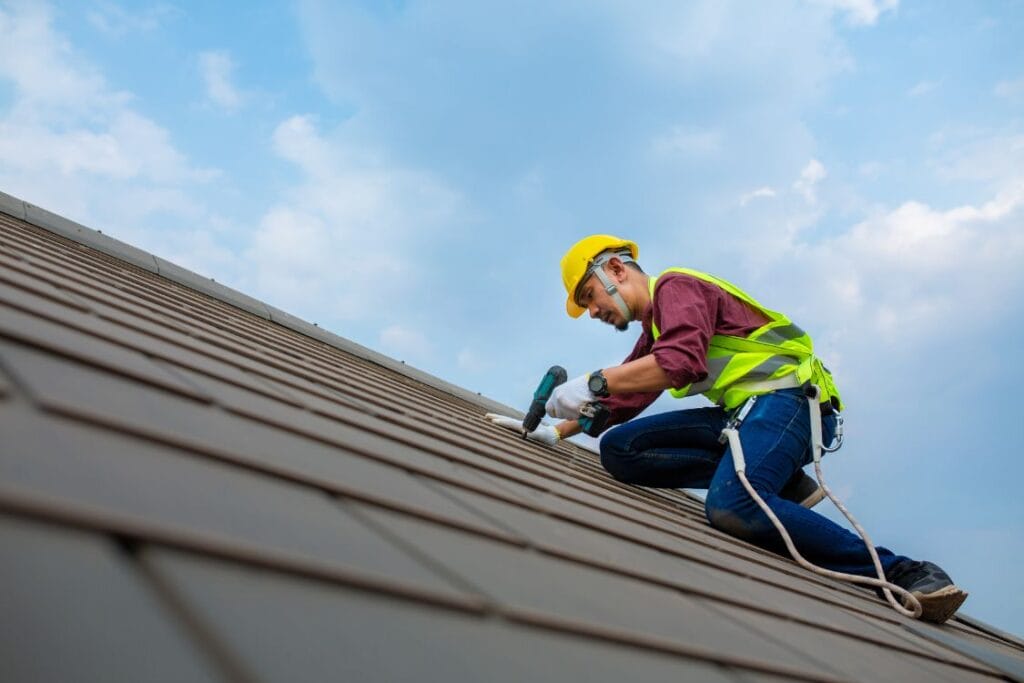
Replacing a roof is one of the larger expenses a homeowner faces, and it tends to arrive with little warning. A few missing shingles after a windstorm, a persistent leak that turns out to be a symptom of widespread material failure, or an inspection report noting that the roof has reached the end of its serviceable life: these moments bring the question of cost to the front of mind quickly. Getting a reliable estimate requires understanding what drives the price, because two homes of similar size can produce quotes that differ by thousands of dollars depending on the material chosen, the complexity of the work, and the condition of what lies underneath.
This guide covers the main factors that affect roof replacement cost in Quebec, realistic price ranges for the most common roofing systems, and the additional expenses that homeowners frequently overlook when budgeting for this type of project.
Key Points on Roof Replacement Pricing
Before reviewing specific numbers, these points provide the necessary context for understanding why quotes vary:
- Roof area is calculated differently than floor area, as the slope multiplies the actual surface to be covered.
- Material choice has one of the largest impacts on total cost, with prices ranging from under $5 per square foot for asphalt shingles to $50 or more for natural slate.
- Labor in the Gatineau-Ottawa region reflects local market rates, which sit above rural Quebec averages.
- Tear-off and disposal of old material add to the cost and are not always included in initial estimates.
- Decking replacement, if needed, is billed separately and can add significantly to the total.
- A roof installed by an RBQ-licensed contractor may include manufacturer and workmanship warranties that are not always included in lower-priced estimates.
What Drives Roof Replacement Cost
Roof Size and Slope
Roofing contractors measure roof area in squares, where one square equals 100 square feet of roof surface. A typical single-family home in the Gatineau area has a roof area of 20 to 35 squares depending on the home’s footprint and the steepness of the slope.
Slope plays an important role in the final cost because steeper roofs require more safety equipment, longer installation time, and more material waste at cuts and overlaps. A standard 6/12 pitch, which rises 6 inches for every 12 inches of horizontal run, is often considered walkable, though safe access depends on conditions and contractor safety practices. Roofs steeper than 8/12 or 9/12 may carry a steep-pitch surcharge; the specific amount varies by contractor and project.
Complex roof designs with multiple valleys, dormers, skylights, and hip returns increase labor time and require more flashing work. A straightforward gable roof with two planes usually costs less per square than a multi-hip or mansard design of the same total area.
Material Choice and Its Impact on Price
The material you choose affects not only the upfront cost but also the maintenance requirements, expected lifespan, and resale appeal of the home. The table below compares the most common roofing materials used in Quebec, with installed cost ranges in Canadian dollars per square foot.
| Roofing Material | Installed Cost (per sq. ft.) | Expected Lifespan | Key Advantage |
| Asphalt shingles (standard 3-tab) | $4 – $7 | 15 – 20 years | Lower upfront cost |
| Asphalt shingles (architectural) | $6 – $10 | 25 – 30 years | Better appearance and durability |
| Steel roofing (standing seam) | $12 – $22 | 40 – 60 years | Long lifespan, low maintenance |
| Steel roofing (through-fastened) | $9 – $16 | 30 – 40 years | Cost-effective metal option |
| Modified bitumen membrane | $8 – $15 | 20 – 30 years | Commonly used for flat and low-slope roofs |
| EPDM rubber membrane | $7 – $13 | 25 – 35 years | Flexible, handles freeze-thaw well |
| Cedar shakes | $15 – $28 | 20 – 30 years | Natural appearance |
| Natural slate | $35 – $55 | 75 – 100+ years | Long expected lifespan |
Architectural asphalt shingles are the most common choice for residential roof replacement in Quebec due to their combination of reasonable cost, visual appeal, and 25 to 30-year performance when properly installed. Steel roofing has been growing in popularity, particularly for homes where the owners plan to stay long-term, because the lifecycle cost often works out lower than two or three consecutive asphalt replacements.
Labor and Regional Rates
Labor represents 40 to 60 percent of the total cost for most residential roof replacements. In the Gatineau-Ottawa area, skilled roofing labor costs more than in smaller regional markets because demand is consistently high and RBQ-licensed contractors maintain proper insurance coverage and worker safety compliance, both of which add overhead to their pricing.
A bid that is significantly below the regional average may indicate compromises in materials, insurance coverage, or installation methods. Getting the cheapest quote rarely produces the best outcome for a project expected to protect a home for decades.
Hidden Costs That Often Surprise Homeowners
Tear-Off and Disposal
Many roofing manufacturers and local building codes limit the number of shingle layers that can be stacked on a roof. Depending on your municipality, the existing roof condition, and manufacturer requirements, full tear-off may be required. Confirm the applicable rules with your contractor and local municipality. The cost of removing and disposing of old roofing material typically runs between $1 and $2 per square foot, which on a 25-square roof amounts to $2,500 to $5,000 before any new material is installed.
Decking Repair or Replacement
The decking, which is the plywood or OSB panel layer beneath the roofing material, must be in solid condition for a new roof to perform correctly. Water-damaged, rotted, or delaminated decking needs to be replaced before new shingles or membrane are installed. Decking replacement is billed by the sheet, typically at $60 to $120 per 4×8 panel including labor. Roofs that have had long-term leaks often require significant decking work that is not visible or budgetable until the old roof is removed.
Flashing Replacement
Flashing at chimneys, skylights, vents, valleys, and walls is worth evaluating at the same time as the roofing surface. If the flashing is aging or shows signs of wear, replacing it during a roof replacement can help avoid the cost of returning to the same area later. Most reputable contractors include flashing replacement in their project scope, but it is worth confirming this when reviewing a quote.
Ventilation Upgrades
Improper attic ventilation shortens shingle life and can void manufacturer warranties. If your current roof has inadequate ventilation, adding ridge venting, soffit vents, or static vents during the replacement is the right time to address it. The additional cost is modest compared to doing the work separately later.
How to Get a Reliable Estimate
Request quotes from at least three RBQ-licensed contractors. A reputable contractor should visit the property, inspect the existing roof condition from both the exterior and the attic, and provide a written quote that itemizes material, labor, tear-off, and any decking work identified during the inspection.
Be cautious of quotes provided without a site visit. Estimating a roof replacement accurately from square footage alone is generally less reliable, because slope, complexity, existing conditions, and material specifications all influence the final number.
Ask specifically whether the quote includes applicable taxes, disposal fees, and a warranty on workmanship in addition to any manufacturer material warranty. Understanding what to verify before signing a roofing contract is time well spent before committing to any project of this scale.
The timing of your replacement also affects pricing and scheduling. Spring and fall are peak seasons for roofing contractors in Quebec, and booking during these periods may mean longer wait times. Understanding the best time of year to replace a roof can help you plan the project in a way that balances urgency with scheduling flexibility.
Making the Material Decision
For most homeowners in the Gatineau region, the choice comes down to architectural asphalt shingles versus steel roofing. Asphalt offers a lower upfront cost and a wide range of colors and profiles that complement almost any architectural style. Steel costs more initially but requires less maintenance, handles Quebec’s heavy snow loads particularly well, and can last through two or more asphalt-shingle replacement cycles.
If you are replacing an existing flat roof on an addition, garage, or commercial structure, modified bitumen is a common option for good reason. It performs reliably in freeze-thaw conditions, is repairable, and can be installed with or without torch-applied heat depending on the specific product and substrate.
A detailed discussion with a qualified roofing contractor who works regularly with the range of available roofing materials in your region can help you make a decision that fits both your budget and your long-term plans for the property.
Conclusion
Roof replacement cost in Quebec depends on a combination of factors that all interact with each other: the size and geometry of the roof, the material chosen, the condition of the underlying structure, and the labor market in your area. Planning for a realistic total rather than a best-case scenario is essential for avoiding financial surprises during the project. Working with an RBQ-licensed contractor who provides a thorough written estimate after an in-person inspection can give you more reliable pricing information and a clearer picture of the project scope.
If you are ready to get a project assessment or would like a professional opinion on whether your current roof needs repair or full replacement, reach out to schedule a consultation. An honest evaluation now can save considerable money and stress compared with a delayed decision later.
Frequently Asked Questions About Roof Replacement Cost
Is it worth replacing a roof before selling a house?
A roof that is clearly at or past the end of its life is likely to be noted in the buyer’s home inspection and typically leads to price negotiation or a delayed sale. A new roof is a strong selling point, but the return on investment varies. In competitive markets, a documented roof replacement within the past few years adds clear value to a listing.
How long does a roof replacement take?
A straightforward residential replacement on a single-family home typically takes one to three days for an experienced crew. Larger or more complex projects, or work that uncovers significant decking damage, may take longer.
Can I replace my own roof in Quebec?
Homeowners can perform their own roofing work on their primary residence, but the job requires proper safety equipment, tool knowledge, and physical capability. Work done incorrectly may void material warranties and may not meet local building code requirements. For a full replacement, most homeowners find that the cost savings over a professional installation are smaller than they expect once materials, tools, and disposal costs are accounted for.