



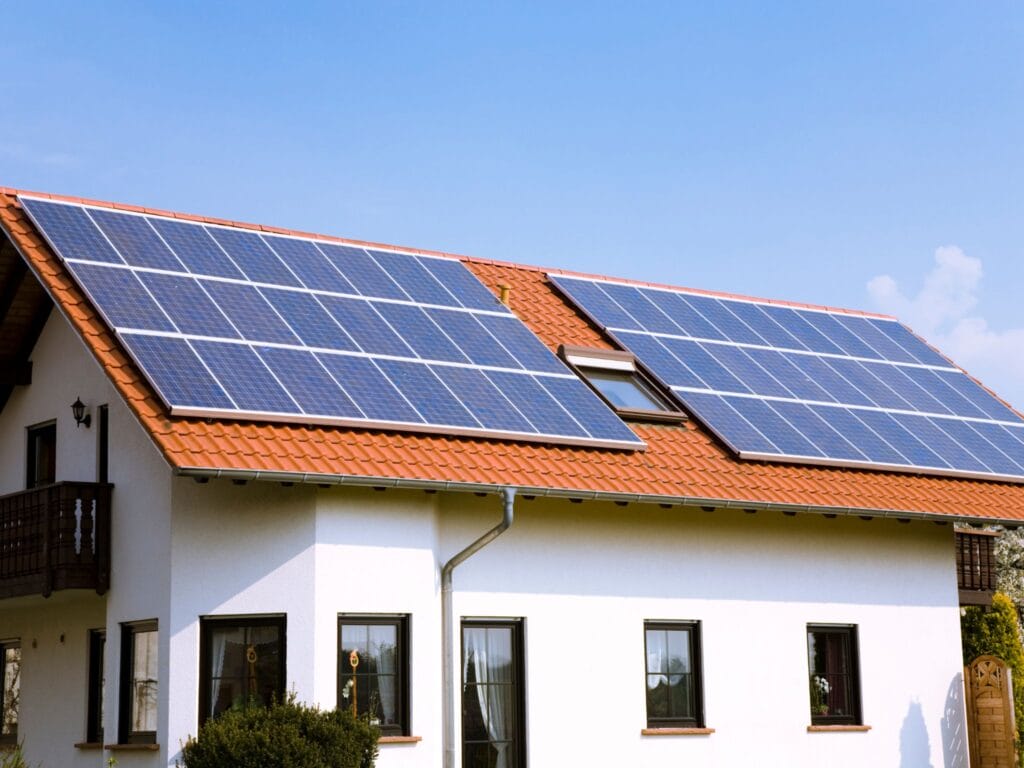
Installing solar panels on an existing roof can reduce reliance on grid electricity and make use of a surface that is already available. The most important question is not only the roof’s orientation or how many panels will fit. You first need to know whether the roof can remain watertight, stable, and serviceable for the expected life of the solar system. A roof nearing the end of its service life may require another major construction project only a few years after the solar installation.
Replacing the roof before installing solar panels is not always required. The decision depends on the age and condition of the roof covering, the deck, the structure, the attachment points, and the warranties involved. This guide explains how to evaluate the roof, when replacement before solar installation makes sense, and how to coordinate the roofer and solar installer so a new system does not have to be removed prematurely.
Key Points About Solar Panels and Existing Roofs
- The roof should be inspected before installation to assess the covering, roof deck, structure, and waterproofing details.
- Replacing the roof first may make sense when the covering is approaching the end of its useful service life.
- The structure must handle the system weight, snow loads, wind forces, and loads transferred through the attachments.
- Every roof penetration or attachment must be planned to prevent leaks and protect the roof warranty.
- The work sequence should be confirmed by the roofer, solar installer, and other professionals involved in the project.
- A sound roof may be suitable for solar panels without a full replacement after a documented evaluation.
Why Roof Condition Matters Before Solar Installation
Solar panels are designed to remain in place for many years. Their presence can make a future roof replacement longer and more expensive because the panels, wiring, and attachments may need to be removed, protected, and reinstalled. If the roof already shows signs of aging, evaluate the cost and scope of both stages before signing a solar contract.
The inspection should cover the visible covering, flashing, membranes, roof deck, and areas around chimneys, vents, and skylights. The roof deck is the structural surface beneath the roof covering. If it is soft, damp, or deteriorated, the panel attachments cannot be treated as if the roof were sound. Hidden problems should be identified before the solar equipment limits access to parts of the roof.
Homeowners should also gather invoices, inspection reports, and existing warranty documents. A recently installed roof may be in good condition, but the roof system still needs to be compatible with the planned attachment method. The signs described in this guide to knowing when a roof needs replacement can help you prepare questions for the roof assessment.
When Should You Replace the Roof Before Solar Panels?
Replacing the roof first is often reasonable when the covering shows widespread wear, repeated leaks, distorted shingles, serious corrosion, or a weakened deck. It can also make sense when roofing work is already planned for the near future. The goal is to place the solar equipment on a roof that will not require early removal.
There is no single rule based only on the number of years since installation. Materials, sun exposure, ventilation, snow, wind, and maintenance affect actual roof condition. Asphalt shingles, a flat roof membrane, and a metal roof require different inspections. The roofer should evaluate the existing system rather than applying a generic age rule.
The warranty structure also matters. Some material and workmanship warranties include requirements related to penetrations, accessories, or installation by qualified professionals. Ask in writing who is responsible for waterproofing around the mounts and who will respond if a leak appears after the solar installation.
When Is an Existing Roof Suitable for Solar Panels?
An existing roof may be suitable for solar panels when it is in good condition, the support is stable, and the attachment points can be installed without compromising the membrane or covering. The inspection should confirm that the mounting areas are accessible and that drainage will remain functional after the equipment is installed.
Future maintenance also needs to be considered. Panels should not unnecessarily block a chimney, vent, drain, valley, or area that will need inspection. Service paths and clearances around important roof elements should be planned according to the roof configuration and applicable requirements.
A solar project should not be judged only by available surface area. Part of the roof may be shaded, exposed to excessive wind near an edge, or difficult to service. Integrated planning places panels where they can perform without creating access or waterproofing problems.
Can the Structure Handle the Panels and Quebec Loads?
The structure should be reviewed for the permanent system weight and the forces created by wind and snow. Depending on the building and installation, a structural engineer or another qualified professional may need to confirm the roof’s capacity. Permit requirements should also be verified with the appropriate municipality. Mounts transfer loads into the roof deck and framing. A roof that looks solid from the ground may still have localized weakness near an old leak or previous repair.
On a flat roof, the issue may also involve ballast, walkways, guardrails, service access, and drainage capacity. Panel placement can change how water moves or create areas that are difficult to clean.
On a metal roof, the mounts and fasteners must work with the profile and movement of the metal. The metal roofing installation guide explains why roof materials, fasteners, penetrations, and movement must be coordinated when equipment is installed above the covering. On shingles, penetrations need compatible flashing details. In every case, the attachment plan should be reviewed by the professionals responsible for both the roof and the solar system.
How Are Solar Panels Attached Without Causing Leaks?
Solar systems use different mounting methods depending on the roof type. Some projects use fasteners that pass through the roof covering and deck. Others use attachments designed for standing seams or ballast systems, particularly on certain flat roofs. The appropriate method depends on the structure, wind, material, slope, and manufacturer requirements.
Each penetration needs a complete detail. The flashing, membrane, sealant, washer, and fastening method must be compatible with the roof. A hole filled with sealant is not automatically a durable waterproofing solution. The roofer should be able to explain how water will move around the attachment and how the detail will be inspected.
Coordination between trades is essential. The roofer needs the mounting plan, while the solar installer needs to understand the limits of the roof system. Drawings, photographs taken before the mounting details are covered, and final service reports can make warranty follow-up easier.
What Work Sequence Should You Use?
When the roof needs replacement, the simplest sequence is generally to complete the roof work before installing the solar panels. The roof can then be inspected, repaired, tested, and documented with full access. This avoids a premature panel removal and allows the crew to address the deck, flashing, and ventilation properly.
The sequence still needs to be confirmed for each project. A roof may need a targeted repair instead of a replacement, or the solar schedule may depend on a different construction timeline. Contracts should identify who coordinates the trades, who protects the materials between stages, and who pays for additional work if a hidden condition is discovered.
If panels are already installed, do not ask a roofing crew to move them without coordination. Electrical disconnection, removal, storage, and recommissioning should be handled by qualified people. A poor sequence can affect safety, warranties, and waterproofing.
What Should You Ask Before Signing?
First, request a written roof assessment. It should identify the areas inspected, signs of deterioration, roof deck condition, recommended repairs, estimated remaining service life, and recommended timeline. “The roof looks fine” is not enough for a project that adds equipment and attachment points.
Next, request a plan showing the panels, mounts, cables, drains, vents, chimneys, and service paths. Confirm who is responsible for waterproofing, future repairs, temporary panel removal, and each warranty. The documents should use clear terms and identify each party’s responsibilities.
Finally, confirm how the roof will be monitored after commissioning. A visual inspection, photographs, and a service report provide a useful record if a leak develops or a mount shifts later. Roof repair and maintenance services can also help structure future inspections around the new equipment.
Should You Replace the Roof Before Installing Solar Panels?
You do not always need to replace the roof before installing solar panels, but the decision should be based on a complete assessment. Roof age, covering condition, deck, structure, loads, penetrations, drainage, and warranties should be considered together. When the roof is approaching the end of its service life, replacing it first can prevent premature panel removal and simplify future maintenance.
Morin Roofing can assess the roof and clarify the work that should be coordinated before solar installation. To discuss the right sequence for your property, contact the team.
FAQ About Solar Panels and Roof Replacement
Do you always need to replace the roof before installing solar panels?
No. A roof in good condition with a stable deck and compatible waterproofing details may be suitable for panels without a full replacement. A documented inspection is needed to determine whether the roof can remain in service for the expected life of the system.
Is it better to replace an aging roof before installing solar panels?
Often, yes, when deterioration is widespread or repeated leaks and repairs are present. Solar panels can make a future roof replacement more complex because they must be removed and reinstalled. The decision should be based on actual roof condition and the warranties involved.
Can solar panels damage the roof?
They should not damage a roof when the mounts, penetrations, and waterproofing details are designed and installed correctly. An incompatible fastener, poor placement, or defective flashing can create a leak. Coordination between the roofer and solar installer is essential.
Does the home structure need to be checked?
Yes. The structure must support the system weight and the forces created by wind and snow. The roof deck and framing should also be reviewed around the attachment areas, especially if the roof has experienced a leak or previous repair.
Who is responsible for leaks around solar panels?
Responsibility depends on the contract and the source of the leak. The roofer may be responsible for a roof or flashing detail, while the solar installer may be responsible for a mount or intervention related to the solar system. Project documents should define these responsibilities before work begins.